
What Probate Covers in Washington County
Probate is the court process for handling what a person leaves behind and for protecting people who cannot act for themselves. In Washington County, the District Court Probate Division has jurisdiction over the disposition of property belonging to deceased persons, the administration of court-supervised trusts, and proceedings to create guardianships and conservatorships for minor children, incapacitated adults, or incompetent adults.
The same division handles mental health and civil commitment matters. The Mental Health area of the Probate Division is responsible for committing people to treatment centers, a process governed by state law. The court divisions page lays out how probate, mental health, and the other case types fit inside the District Court.
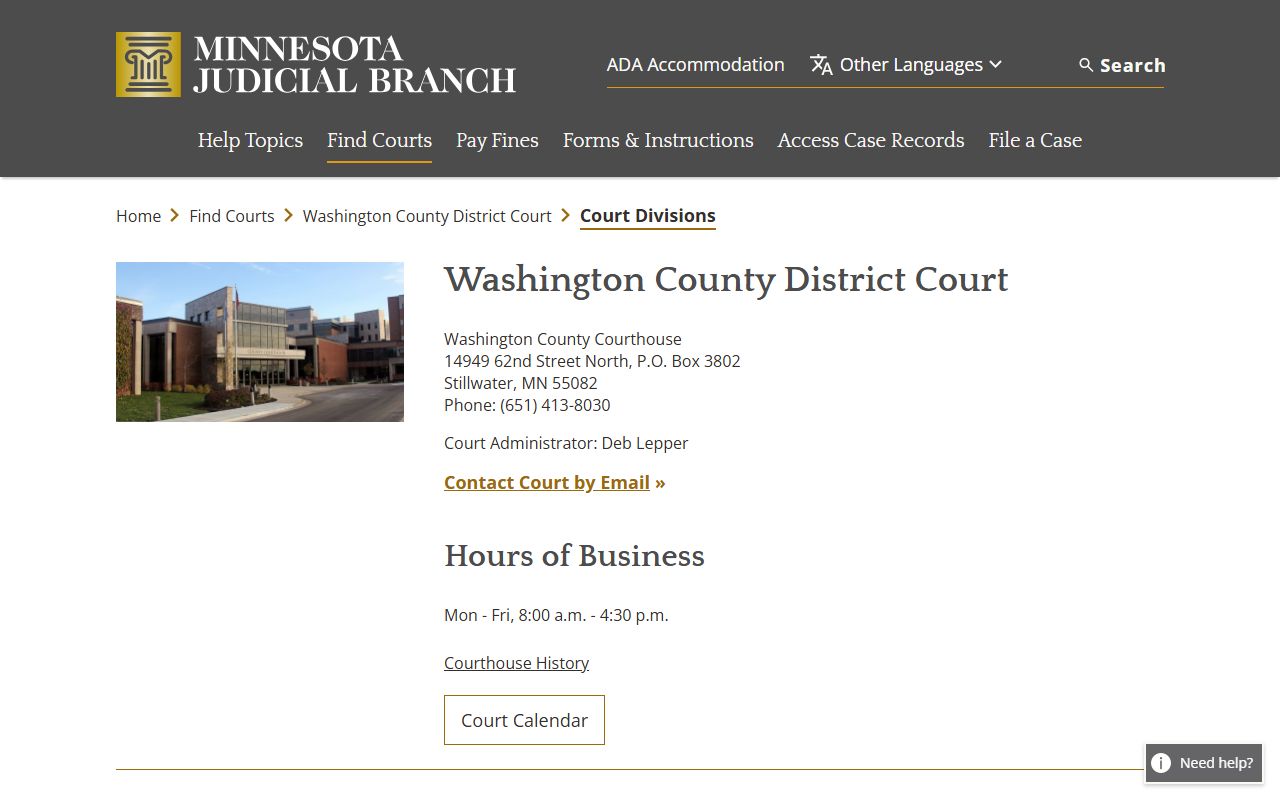
The Probate Division line is 651-413-8131, and the office sits at 14949 62nd Street North in Stillwater.
Not every estate needs probate. Whether a court process is required depends on what the person owned and how it was titled. Assets with a named beneficiary, jointly held property, and small estates may pass without a full court case. Titled assets in the decedent's name alone, or a larger estate, often do need probate. A guardianship or conservatorship, by contrast, is opened while a person is still living, to protect someone who cannot make care or money decisions on their own.
Probate Terms Defined
Probate uses words that do not come up often in daily life. A short glossary makes a probate file easier to read.
- Decedent
- The person who died and whose estate is being settled.
- Testator
- A person who made a will.
- Intestate
- Dying without a valid will, which sets a default order of heirs.
- Personal Representative
- The person appointed to settle the estate, sometimes called an executor.
- Guardian
- A court-appointed decision maker for another person's care.
- Conservator
- A court-appointed manager of another person's finances.
These roles carry duties to the court, including reports and accountings, so the file often grows over the life of a case.
How to Search Washington County Probate Records
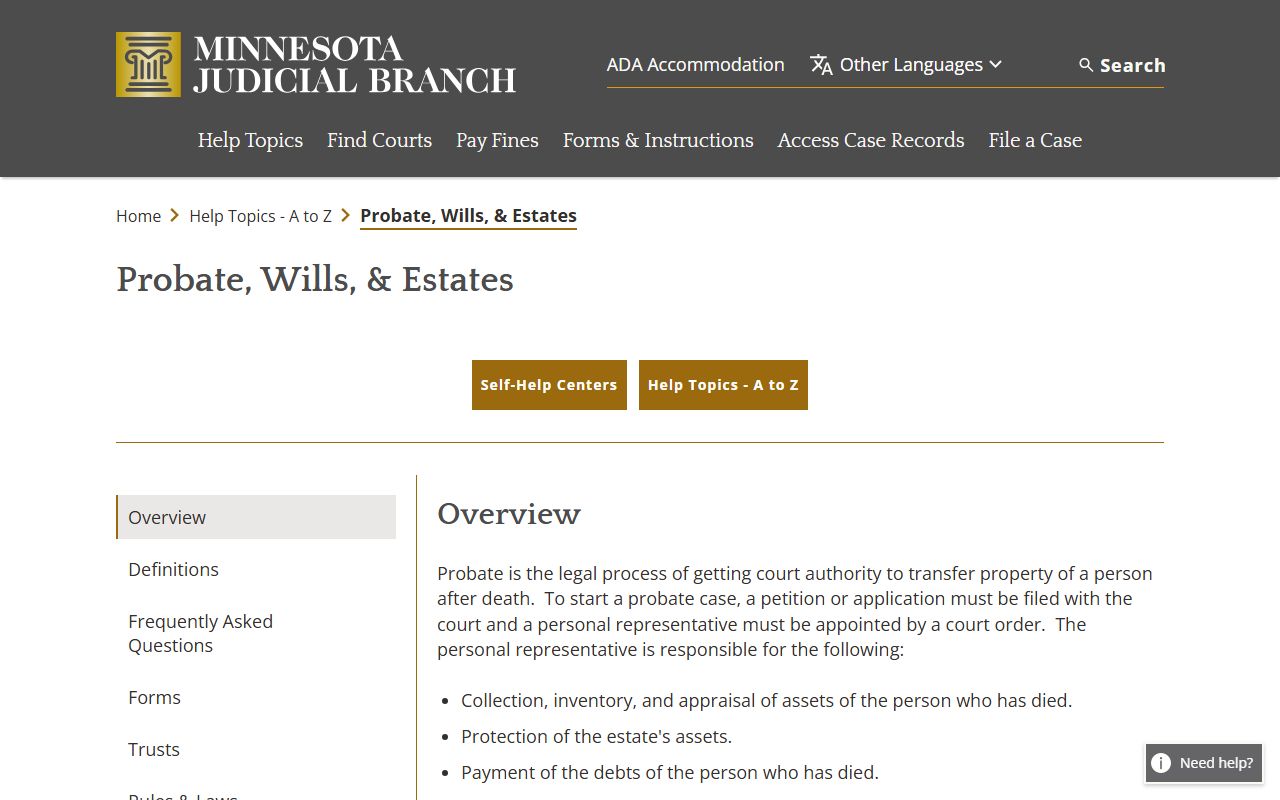
Probate records are searched through Minnesota Court Records Online, the same portal used for other court files. Use Case Search with the Probate or Mental Health category selected and Washington County checked. When you have a case number, Document Search pulls public documents directly. The Judicial Branch probate self-help page is a good companion for understanding the process.
| Field Label | Type | Notes / Format |
|---|---|---|
| Name or Business | Text | Search a decedent, protected person, party, or business. |
| Case Number | Text | Use an exact probate case number when known. |
| Case Category | Checkbox | Select Probate or Mental Health (PR). |
| Court Location | County checkbox | Select Washington County. |
| Date Filed | Date or range | Narrow older or newer estates. |
| Case Status | Dropdown | All, Active, or Inactive. |
Probate cases may be indexed by the decedent, the protected person, a trust, an estate name, or the parties, so a case number is the surest match.
Probate Courts in Washington County
There is no separate probate court in Minnesota. Probate is a division of the District Court, handled at the courthouse in Stillwater. File in the county where the decedent was a legal resident at death, which for many local estates is Washington County. The contact card below covers the division.
Probate Division
Washington County District Court
14949 62nd Street North
Stillwater, MN 55082
651-413-8131
Court Records: 651-413-8030, option 6
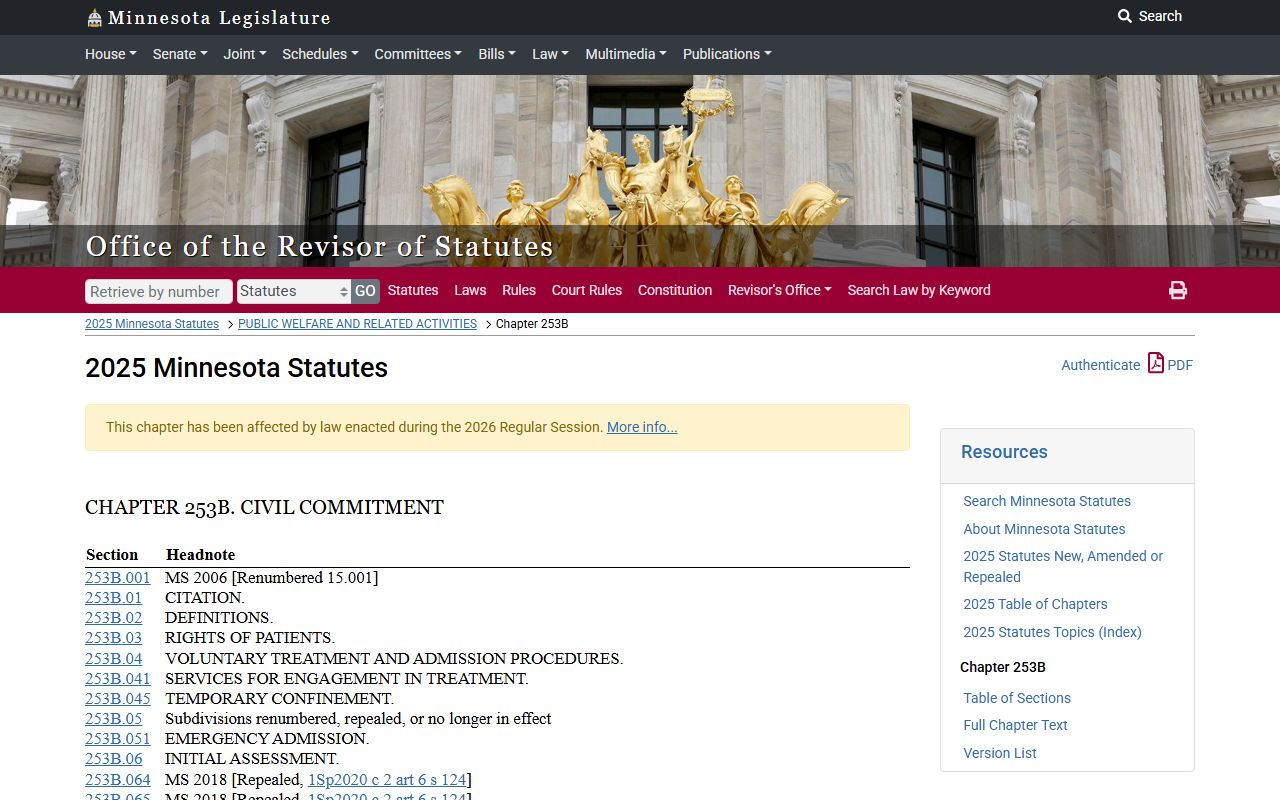
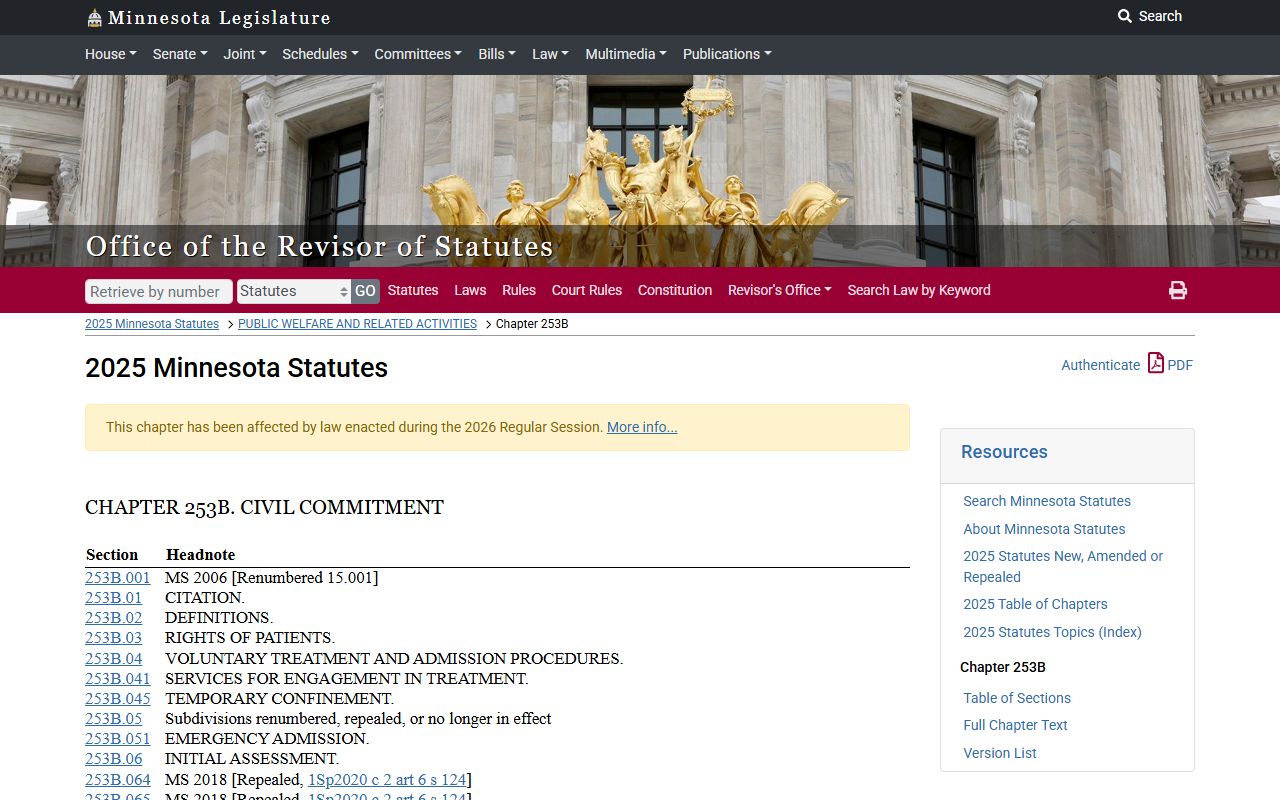
Civil commitment matters in the Mental Health area are governed by Chapter 253B, which sets out the commitment process and the rights involved.
Publication of certain notices may be required, and the county links to the Secretary of State newspaper publication resources for that step.
Probate Filing Fees
Court fees come from two parts. Filing fees are set by the state through the Minnesota Judicial Branch district court fee schedule, under the probate category, and they vary by the type of filing. Copy and certification fees are set the same way and are charged by Court Administration. The table below shows the copy fees that apply to probate files.
| Item | Amount |
|---|---|
| Plain (uncertified) court copy | $0 |
| Certified copy of a Washington County probate document | $14 |
| MCRO public document download | $0 |
| Probate filing fee | Set by the state schedule; varies by filing |
Check the Minnesota Judicial Branch fee schedule for the current probate filing amount, and verify any Washington County law library fee before filing.
What Washington County Probate Records Show
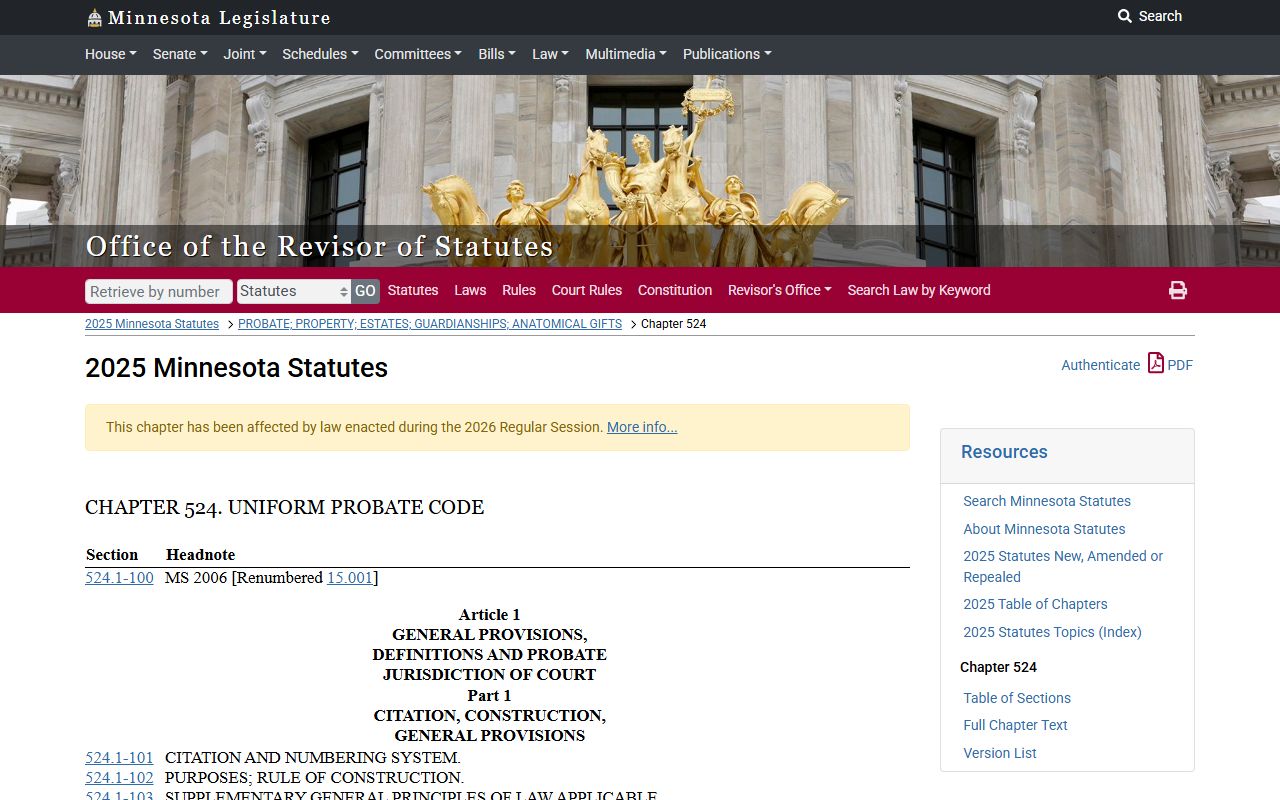
A probate file tracks the estate or protective matter from opening to close. Formal probate often involves court hearings, notices to heirs and creditors, the appointment of a personal representative, an inventory of assets, a creditor process, an accounting, and a final distribution. Guardianship and conservatorship cases add their own forms and annual reporting duties. The probate code, Chapter 524, governs estate administration in Minnesota.
Public documents in formal probate, other probate, guardianship and conservatorship, and trust case types filed on or after July 1, 2015, can be viewed and downloaded online when they are public. Older filings may exist only on paper or at a courthouse terminal.
Probate comes in more than one form. Informal probate moves through an administrative process with less court oversight when the estate is straightforward and uncontested. Formal probate involves the court more directly, with hearings and orders, and is used when there is a dispute, an unclear will, or a need for court supervision. Both produce a file in the Probate Division, and both can show public documents online when the case type and filing date allow. Use the Minnesota Judicial Branch probate forms and instructions, since not every probate form is published for general use.
Restricted Probate Records
Not all probate-area records are open online. Public documents in civil commitment case types are not available remotely through MCRO. Guardianship and conservatorship files can hold medical, financial, and vulnerability details, so access may be limited by court rule and redaction. The civil commitment statute sets the framework for those mental health matters.
When a document does not open online, it does not always mean the record is sealed. It can mean remote access rules apply, the case type is confidential, or the filing predates online posting. Contact the Probate Division or Court Records to confirm.
Note: Do not assume every probate document is online; civil commitment files and many older filings require a courthouse visit or are not public.